Noticias y actualidad
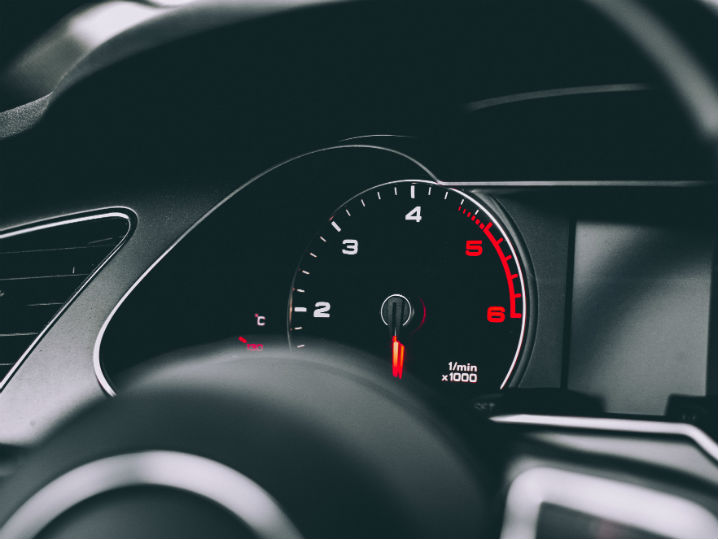
The optimal engine oil and coolant temperature
If you've ever wondered which of the two temperatures matters most when you want to push a car's engine without causing mechanical problems over time, keep reading.
Coolant or oil?
Some of us have experienced situations where the water temperature suggests that the engine is ready to be pushed, while the oil has not yet reached the same temperature, meaning we have had to drive a few more kilometres for the lubricant to warm up. Some people believe that, contrary to what most drivers think, having the coolant at 90°C is not enough to start demanding more from the engine.
Here's the answer:
The coolant warms up before the oil, which takes longer to change temperature, both when heating up and cooling down. Coolant reaches a temperature of around 90°C much more quickly. Why this temperature and not a lower or higher one? Because this still gives the cooling system enough margin to keep the liquid it contains at the appropriate temperature: it is essentially a matter of opening or closing the circuit so that it can cool down.
The optimal lubrication temperature can vary slightly. The ideal operating range of any lubricant depends largely on its viscosity curve. Therefore, 90°C is not necessarily the optimal temperature for engine oil.
The oils used in modern engines are designed to perform as effectively as possible when the engine is cold. For example, if a car manufacturer wants to achieve the best possible results during approval testing cycles, the vehicle's oil will not be heated to 90°C when emissions are measured. Instead, an oil will be selected that lubricates the engine effectively at much lower temperatures. This is similar to what happens when you start an engine and simply begin driving.
It all depends on what the engine manufacturer requires from the company producing the oil used to lubricate it.
So,
Does oil lubricate better once it reaches 90°C than before it gets there?
It may indeed perform effectively at that temperature. Or this may happen later, when it is operating at 100, 110 or 135°C: none of this depends on the driver.
Therefore, approval regulations are what ultimately determine the requirements, and a change in regulations is likely to result in a change in the choice of oil. The engine manufacturer is responsible for determining the specifications that the lubricant must meet.
To conclude…
Running the engine at maximum revs while the oil is still cold can cause problems in the long term, but under normal driving conditions it should not be an issue as long as it is not done frequently. In general, drivers simply need to start the car, set off and not worry about the temperature. This is especially true given that the vast majority of cars do not have a gauge showing the temperature reached by the engine oil…
Source: autopista.es